Design-Led Layout
We worked with the design team to position residential dwellings in the lowest-risk areas of the site, using the flood risk constraints to inform rather than constrain the masterplan.
Navigating complex surface water risks and Sequential Test changes to secure planning approval for a residential redevelopment in a Critical Drainage Area.
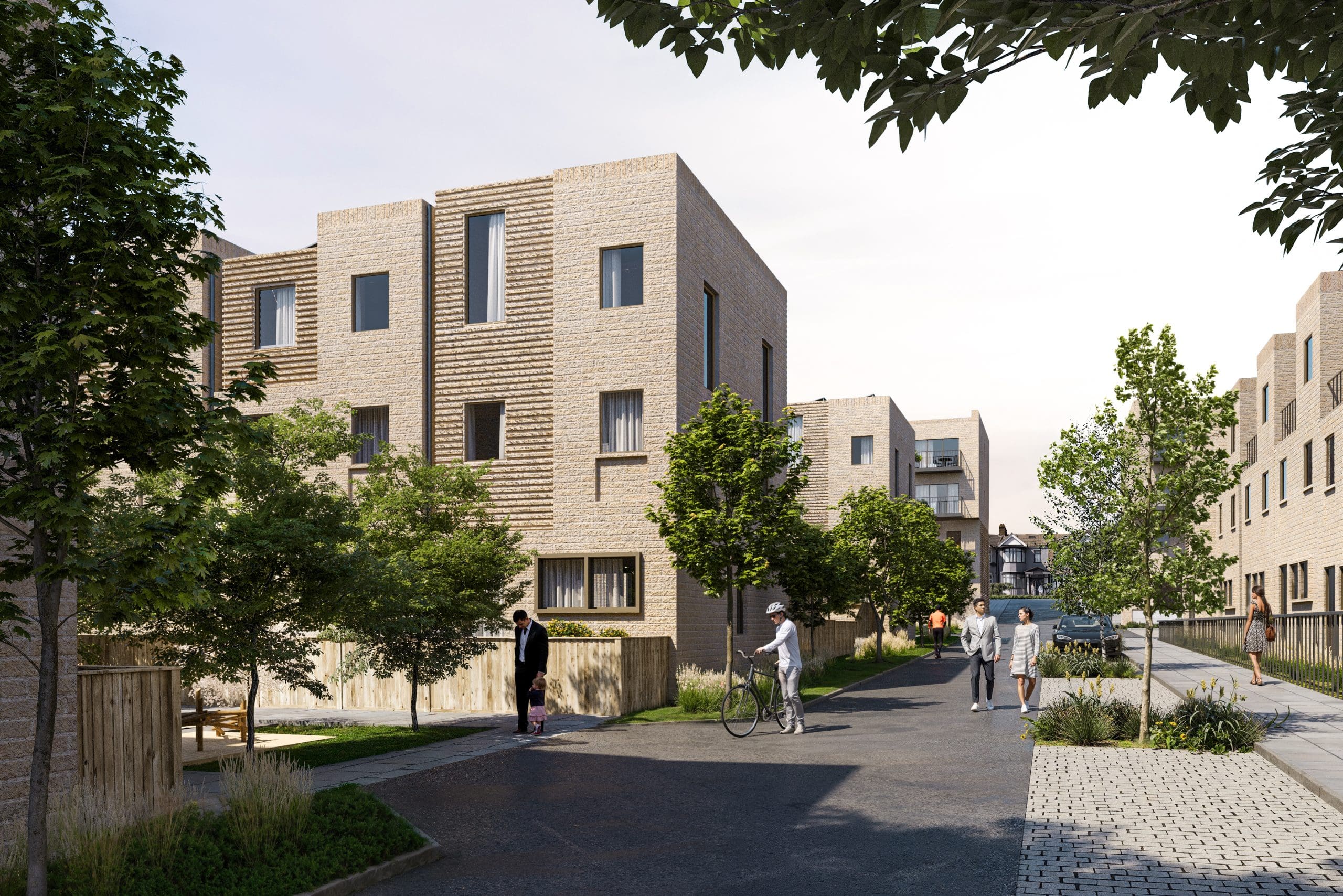
Despite being located in Flood Zone 1 (lowest fluvial and tidal risk), the site presented significant challenges due to its position within a Critical Drainage Area with substantial pluvial flooding susceptibility.
Updated NPPF and Planning Practice Guidance had tightened Sequential Test requirements to include all flood sources, not just fluvial and tidal. This created a potential requirement for a borough-wide Sequential Test search for "safer" alternative sites - a time-consuming and costly process that could have derailed the project timeline.
We worked with the design team to position residential dwellings in the lowest-risk areas of the site, using the flood risk constraints to inform rather than constrain the masterplan.
We created a custom surface water flood model showing both baseline conditions and post-development impacts, providing the evidence base needed for planning.
We directed potential flooding into "compatible uses" like public open space and biodiversity zones, converting a constraint into a community amenity.
We developed a comprehensive Sustainable Drainage System complying with national and local policies, ensuring long-term flood risk management.
By demonstrating that vulnerable elements could be safely relocated within the site boundary, we successfully negated the need for a site-wide Sequential Test.
The flood risk constraint was converted into a design asset, with the water management strategy creating biodiversity value and community amenity space that enhanced the overall development.
By approaching flood risk proactively and integrating it into the design process from the start, constraints can become opportunities for better placemaking.